

Introduction
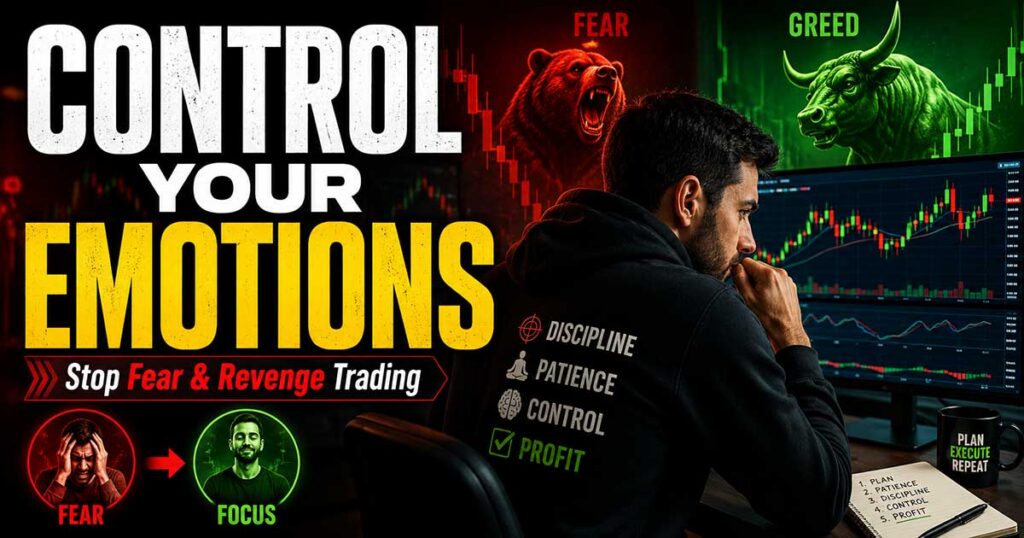
Many beginners lose money because of poor trading emotions control. Fear, greed, panic, and impulsive decisions often destroy even good trading strategies. If you want to become a more disciplined trader, learning emotional control is just as important as learning charts or indicators. In this guide, you will learn practical ways to avoid emotional trading, improve your trading mindset, and trade with more confidence. If you are looking for a beginner-friendly platform to practice trading skills, you can explore this trading platform here.
Main Topic Explanation
Trading psychology plays a major role in long-term success. Many traders struggle with fear and greed, which leads to emotional trading decisions. Some traders close trades too early because of fear, while others take unnecessary risks because of greed. Another common problem is revenge trading, where traders try to recover losses quickly without following a strategy.
Developing a strong trading mindset helps traders stay calm, follow a plan, and avoid emotional mistakes. If you are new to trading psychology, you should also read our Trading Psychology Guide to understand how emotions affect market decisions.
Detailed Breakdown
What is Trading Emotion Control?
Trading emotion control means managing your feelings while making trading decisions. Markets move quickly, and emotional reactions can lead to poor judgment. Successful traders focus on logic, discipline, and risk management instead of reacting emotionally.
How It Works
Emotion control works by creating structured trading habits. Traders use rules, strategies, stop-loss management, and trading journals to reduce emotional decisions. Instead of chasing losses or entering random trades, disciplined traders wait for proper setups.
If you are still learning basic strategies, check our beginner-friendly guide on Trading Strategy for Beginners.
Is It Legal / Safe?
Learning emotional discipline in trading is completely legal and safe. However, trading always involves financial risk. Traders should avoid unrealistic expectations and never risk money they cannot afford to lose. Using demo accounts and proper risk management can help beginners learn safely.
Step-by-Step Guide
- Create a simple trading plan before entering any trade.
- Use stop-loss levels to reduce emotional panic.
- Keep a trading journal to track emotional mistakes.
- Practice on a demo account before using real money.
Best Strategies for Beginners
- Follow one trading strategy consistently instead of changing methods daily.
- Risk only a small percentage of your balance per trade.
- Avoid revenge trading after a losing streak.
Many beginners lose control after several losses in a row. To avoid this, traders should focus on patience and discipline instead of emotional reactions. You can also explore beginner trading tools and practice environments using this beginner-friendly platform.
Tips to Improve Results
- Take breaks after emotional trades or stressful sessions.
- Do not overtrade during high emotions.
- Focus on long-term consistency instead of quick profits.
Many traders fail because they ignore emotional discipline. Reading about common mistakes can help you improve faster. You can check our guide on Beginner Trading Mistakes to avoid common emotional errors.
Best Trading Platforms
Choosing a reliable trading platform can help beginners improve their experience and manage trades more effectively. A good platform should provide demo accounts, fast execution, and easy-to-use tools.
For beginners who want to practice and improve emotional control, you can try this popular trading platform. It offers a simple interface that many new traders find easy to use.
If the main platform is unavailable in your region, you can also use this alternative trading platform to continue learning and practicing.
FAQs
Why are trading emotions dangerous?
Trading emotions can cause impulsive decisions, poor risk management, and inconsistent trading results. Emotional reactions often lead to bigger losses.
How can I stop revenge trading?
You can stop revenge trading by following a trading plan, taking breaks after losses, and limiting daily trade amounts.
Can beginners learn emotional control?
Yes. Emotional control improves with practice, discipline, and proper risk management. Demo trading can also help beginners build confidence.
Conclusion
Mastering trading emotions is one of the most important skills for long-term trading success. Fear, greed, and emotional trading can damage your results if you do not control them properly. Focus on discipline, risk management, and continuous learning. If you want to practice your skills on a beginner-friendly platform, you can start here: Start Trading Practice.